By Nancy Soon
The parents of two children in my drama class often told me they could not see much improvement. When the new year began, their mother called to make sure I reserved two places for them.
Her children, a brother and sister, had been happy to take part in our production. But at home, their parents had not noticed much change in how they spoke or interacted with others.
Then relatives came to visit. Instead of staying in their rooms as they had before, both children sat with the adults, asked questions and responded to the conversation. The relatives noticed and pointed it out. Their parents were astonished.
That family conversation showed them progress they had not recognised before.
I think we sometimes pay so much attention to the final performance that we miss the changes happening along the way. We need to help parents recognise those changes too.
Confidence can be quiet
My eldest son, even at seven, would sit with relatives when they came over and listen intently. His cousins would be playing noisily in the background. When encouraged to join them, he would choose to stay with the adults.
You might think he was an extroverted child, but he was not.
As a teacher, I have met children who readily join groups and speak to many people. It can be harder to tell whether a quieter child is becoming more confident. I look for changes in how comfortable they are taking part, rather than how much they talk.
The aim, to me, is to help children express themselves and respond to others without having to become a different kind of person.
How many of us adults would willingly step into an unfamiliar group, introduce ourselves and feel comfortable? It takes practice for us too.
Practising for a life without a script
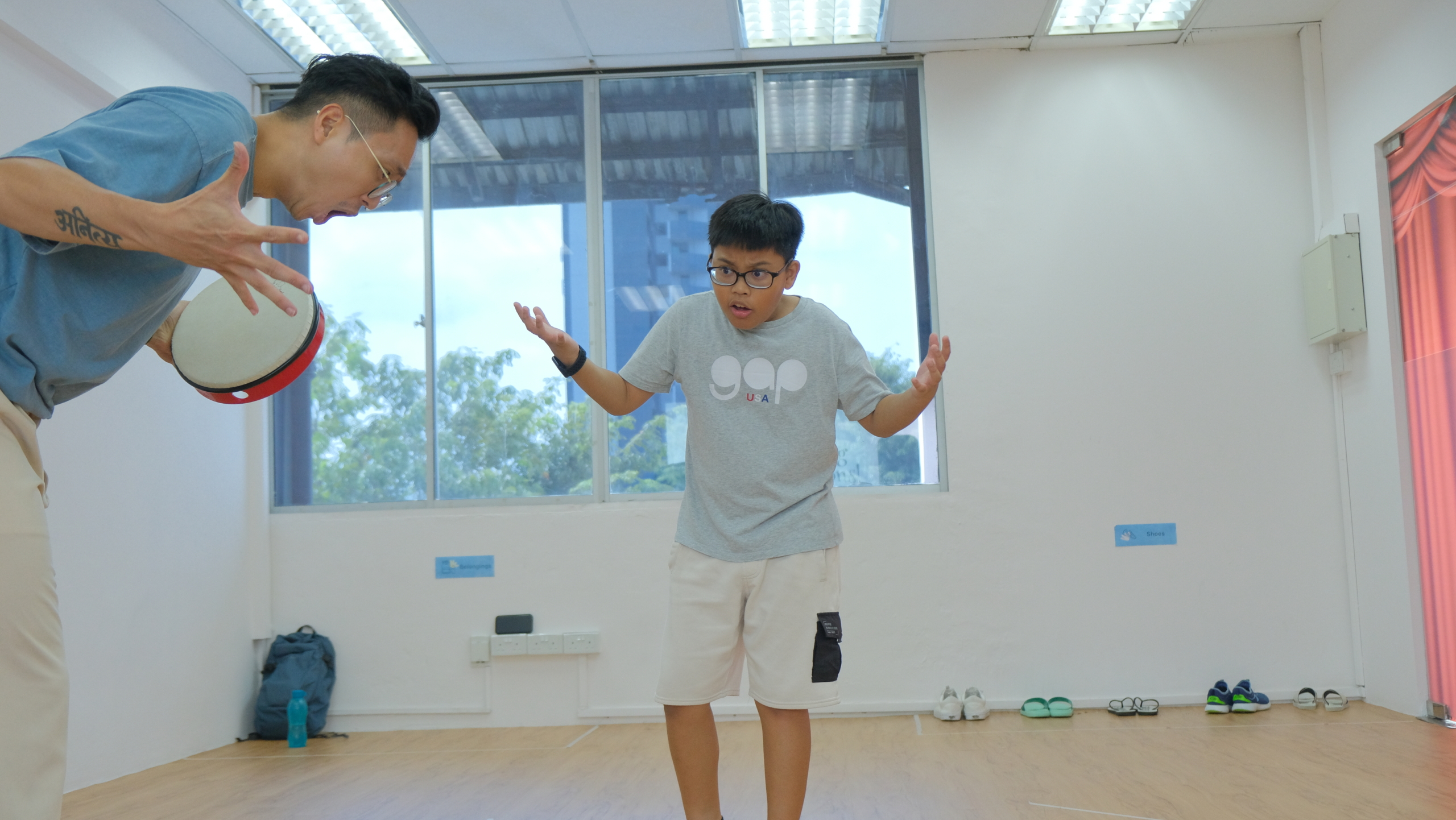
In drama, children encounter different situations through warm-ups, speech work and improvisation. They step into characters and scenes, and have opportunities to act and react.
This is what makes drama so close to life for me. A child’s day is full of changing situations, from breakfast and the playground to a swimming lesson or a conversation over lunch. The people and surroundings change, and so does what the child needs to respond to.
During an improvisation, children do not have a whole script to follow. They need to listen to what someone else says, decide what it means for their character and find a response of their own.
Initially, that can feel awkward, as it would for you and me. Over time, children become familiar with stepping into a scene and thinking on their feet. A rehearsed performance has its place. In improvisation, they practise responding when they do not know exactly what comes next.
What their mother described is familiar to me from drama class. The children were listening to others and finding their own words to join in.
A small game to try together
Edwin, who teaches our classes, has shared a simple improvisation game parents can try at home. He calls it “The Magic Prop Mashup”. All you need is an everyday object and a willingness to be a little silly.
Take a wooden spoon and pretend it is a detective’s magnifying glass. Freeze in a pose, looking for clues. Then start the scene by saying, “I found footprints! Who do they belong to?”
Let your child add the next idea. Take turns building the story with “Yes, and…” You might discover that the footprints lead under the sofa. Where the story goes after that is for the two of you to decide.
In this game, there is no correct story to work towards. Each person listens to the other’s idea and adds something of their own. Give your child room to contribute, and enjoy the unexpected turns together.
Notice the small steps
We do not have to wait for the next performance to recognise progress.
Look for changes in your own child. They may ask a question they used to keep to themselves, or join in where they would once have hung back. Sitting with adults is one example, not something every child would choose.
To me, “Confidence Beyond Performance” means children feeling more comfortable expressing themselves in everyday life.
What is your child more comfortable doing now than they were a few months ago?
Nancy Soon first published this article on LinkedIn on 6 November 2026. Follow Nancy for more of her writing on how children find their voice in drama class and at home.